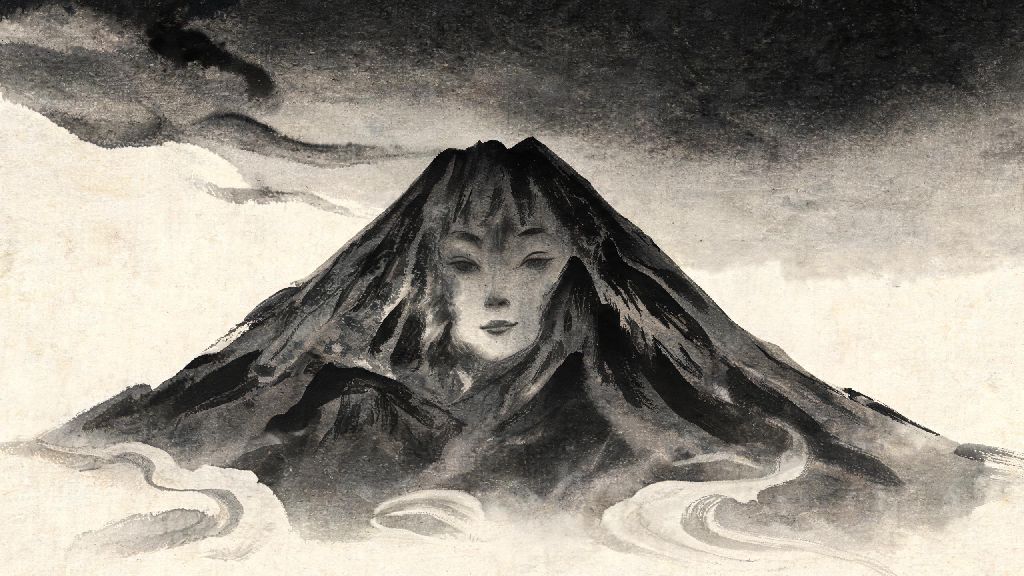
If you’ve scrolled through gaming fan art forums or traditional Japanese art communities lately, you’ve almost certainly stumbled across the sumi e painting ghost of yotei. I first stumbled on the motif when I was looking for wall art to put up next to my gaming setup, and I was immediately struck by how different it felt from the loud, brightly colored game prints I usually see. The stark, inky depictions of the legendary mountain spirit feel equal parts eerie and reverent, blending centuries-old artistic tradition with modern gaming lore in a way that resonates with both art lovers and players. I’ve spent months collecting examples of these paintings, talking to the artists who make them, and digging into the backstory that makes this motif so beloved, and I’m breaking down everything you need to know below.
What Makes the Sumi E Painting Ghost of Yotei Such a Popular Fan Art Motif?
Every sumi e painting ghost of yotei feels unique, even when artists stick to the same core elements, and that versatility is a big part of its appeal. The biggest draw, though, is how perfectly the style matches the subject’s core identity. Sumi e’s core principle of capturing "spirit over form" means artists don’t have to draw every tiny detail of the ghost to make the piece feel true to the character. Fans who have spent hours exploring Tsushima’s snowy northern regions know that the ghost is referenced in abandoned shrines, traveler’s journals, and offhand comments from local villagers, but you never get a full, clear look at it. That sense of mystery is exactly what makes it such a perfect fit for sumi e, which thrives on leaving space for the viewer to fill in the gaps with their own imagination.
It also helps that the motif lets fans engage with the game’s quieter, more thoughtful themes, instead of just its action-packed combat. The ghost’s status as a symbol of unspoken grief and resilience hits hard for a lot of players who connected with the game’s focus on protecting community and honoring the past. Unlike flashy fan art of fight scenes or popular characters, these paintings feel like a quiet tribute to the parts of the game that don’t usually get the spotlight. I’ve even seen fans hang these pieces in their homes alongside traditional Japanese art, because they fit so seamlessly with that aesthetic.
The Cultural Backstory Tied to the Motif
While the ghost of Yotei is a well-known character in gaming lore, the roots of the motif stretch back hundreds of years before the game was ever released. First, Mount Yotei itself is a real, active volcano in Hokkaido, often called Ezo Fuji for its near-perfect symmetrical shape. Mount Yotei’s real-world cultural significance to Ainu and Japanese communities can’t be overstated: Ainu communities, the indigenous people of Hokkaido, have considered the mountain a sacred site for thousands of years, and many of the ghost legends are rooted in Ainu oral history as much as samurai-era folktales. That’s why a lot of the most thoughtful artists make a point to reference that history when talking about their work, instead of only tying it to the game.
The sumi e art form has an equally rich history. Zen Buddhist roots of sumi e painting go back to 14th century Japan, when monks brought the technique over from China and used it to create minimalist works that reflected their spiritual beliefs. The style relies on simple black ink, water, and rice paper, with brushstrokes that are meant to be intentional and uncorrected—mistakes are seen as part of the work’s character, not flaws. When you combine that tradition with the legend of a quiet, unseen mountain spirit, you get a motif that feels far more meaningful than your average fan art crossover. Most artists who create these works stick to specific traditional elements to honor that history, including:
Easy Tips for Creating Your Own Sumi E Painting Ghost of Yotei
You don’t have to be a professional sumi e artist or even an experienced painter to make a version of this motif that you’re proud of. I’ve seen incredible pieces made by total beginners who just focused on getting the mood right, and I’ve put together some tips from artists I’ve talked to to help you get started. First, don’t stress about buying fancy supplies if you’re just testing the waters. You can use watered-down black acrylic paint and regular watercolor paper instead of traditional sumi ink and washi paper, and it will still look great. If you do decide to invest in traditional supplies, student-grade brushes and ink work perfectly for beginners, so you don’t have to spend a lot of money upfront.
When you’re planning your sumi e painting ghost of yotei, start by looking at reference photos of real Mount Yotei first to get the shape right. Start with light ink washes before adding darker details, so you can fix mistakes easily without ruining the whole piece. If you’re using traditional supplies, make sure you have a few different brush sizes: a large flat brush for the mountain washes, a medium round brush for the ghost and torii gate, and a small detail brush for the snow flecks. For digital artists, there are dozens of free sumi e brush packs available for most popular art programs that mimic the texture of real ink bleeding on paper, so you can get the same feel without working with physical supplies.
The most compelling versions of the ghost are only half-visible, blending into the mist around the mountain, so don’t make the mistake of trying to draw every detail of its face or armor. I tried making my own version last month, and I messed up the first three drafts because I kept trying to make the ghost look clear and defined. Once I erased most of it and left only a faint outline of a helmet and a cloak, it felt way more true to the character. Embrace imperfection as part of the artistic process—a slightly uneven brush stroke or an unexpected ink bleed can make your piece feel more authentic, not less.
Common Misconceptions About the Motif to Avoid
As the motif has grown more popular, a lot of misconceptions have popped up that can lead to pieces that feel disconnected from the character or the cultural tradition behind the art. The biggest one I see is new fans assuming the ghost is a villain. The ghost of Yotei is a protective, not malicious, spirit in both local legend and game lore, so painting it as a menacing figure with sharp teeth or aggressive poses misses the entire point of the character. If you want your piece to feel true to the source, focus on quiet, subtle poses that make it look like it’s watching over the mountain, not attacking people.
Another common mistake is using too many colors. Traditional sumi e uses almost only black ink, with rare accents of red or blue for small, meaningful details. If you paint the ghost with bright blue armor or a neon background, you’re losing the quiet, reverent tone that makes the motif so special. That doesn’t mean you can’t experiment, but it’s worth understanding the tradition before you start breaking the rules. I’ve seen a few artists add soft green accents for pine trees at the base of the mountain that look amazing, but those are still muted, natural colors that fit the overall vibe.
Finally, don’t make the mistake of thinking you need years of art experience to make a good piece. Technical skill matters far less than capturing the mood of the piece. Some of my favorite versions of this motif are made by fans who have only been painting for a few months, but who connected deeply with the ghost’s story and that emotion comes through in their work. If you’re sharing your art online, adding a small note about the real-world legend and cultural history behind the motif is also a nice touch that helps educate other fans and shows respect for the communities that created the original stories.
Whether you're a fan looking to decorate your space with unique game art, an artist wanting to try a new style, or just someone who loves learning about the intersection of gaming and traditional culture, the sumi e painting ghost of yotei is a motif that has something for everyone. It's a perfect example of how modern media can breathe new life into old artistic traditions and local legends, bringing them to a whole new audience that might never have discovered them otherwise. Next time you're looking for a new creative project, give this motif a try—you might be surprised at how much emotion you can capture with just a little ink and a lot of heart.