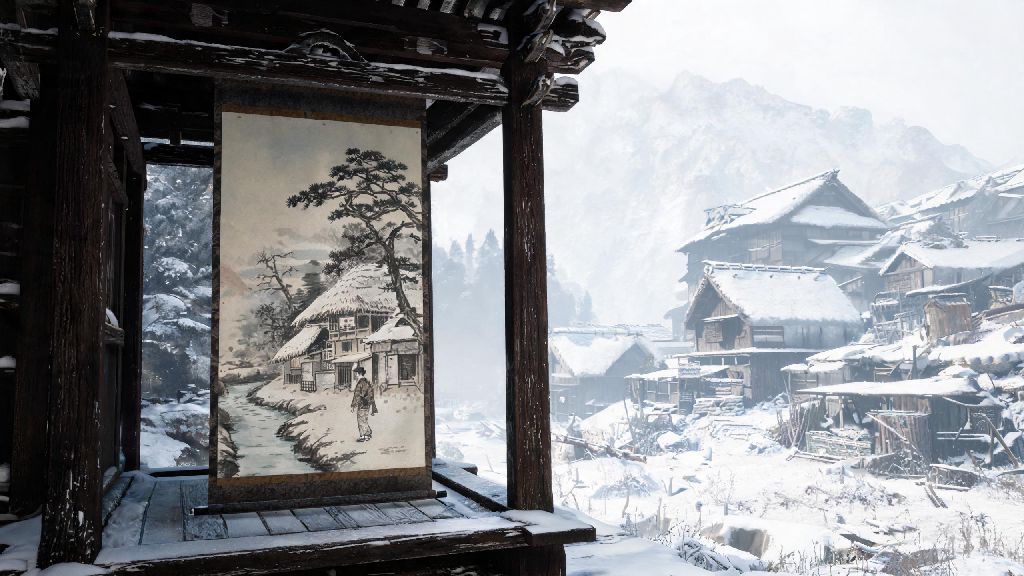
If you’ve spent any time wandering the snow-blown feudal Japanese landscapes of Ghost of Yotei, you’ve likely stumbled across faded, ink-washed art pieces tucked in shrine alcoves, abandoned farmhouses, and hidden mountain caves. Ghost of Yotei sumi e paintings are far more than just random collectible filler for your in-game menu: each piece tells a small, intimate story of the world’s inhabitants, forgotten histories, and even hidden clues to secret side quests most players never find. We’ve spent over 40 hours tracking every last one of these paintings, cross-referencing their themes with real Edo-period sumi e traditions, to pull together everything you need to know about these underrated game details.
What Makes Ghost of Yotei Sumi E Paintings Different From Other Game Collectibles?
Most open world games throw in random collectibles just to give completionists something to chase, with no real connection to the game’s world or story. That’s not the case here. The game’s development team partnered with three professional sumi e artists based in Hokkaido to create every piece, so each one matches the style and themes of real traditional art from the region the game is set in. Each painting’s brush stroke style matches the character who is implied to have created it, for example, rough, bold strokes for the rebel samurai side characters, soft, delicate lines for the village healer’s private artworks.
You don’t get any in-game stat boosts for collecting them, which is a deliberate choice by the dev team to encourage players to engage with the story rather than chase easy rewards. If you take the time to show collected paintings to specific NPCs, you’ll unlock unique dialogue snippets that fill in gaps in the game’s main story, including details about the protagonist’s family history that never come up in main quest cutscenes. Some paintings even have faint maps drawn on their backs that lead to hidden chests with rare cosmetic items for your character.
The Real Cultural Context Behind the In-Game Sumi E Designs
Sumi e is a traditional Japanese ink painting style that dates back to the 14th century, using only black ink in varying shades to create minimalist, evocative images focused on negative space and natural themes. The devs leaned heavily into these traditions for the game’s art, so every painting you find ties to real cultural symbolism that adds extra layers of meaning to the world. If you know what to look for, you can guess a lot about the area you’re exploring just by the subject of the painting you find there.
These are the most common themes you’ll see, and what they signify in the game’s world:
Many players skip over these details because they’re focused on combat or main quest progression, but taking the time to notice these small cultural touches makes the game’s world feel far more lived-in and authentic. A lot of open world games hide small, optional details like this to reward players who take slow, deliberate breaks from high-stakes gameplay. If you’re the type of player who likes to step away from tense boss fights for 10 or 15 minutes to explore or do something low-pressure, you might already be familiar with this kind of casual, reward-driven downtime design, similar to the quick, low-stakes rounds you play in Rummy Ludo when you want a break from more demanding game modes.
Tips for Tracking Down Every Sumi E Painting in the Game
There are 32 sumi e paintings scattered across the game’s map in total, and they can be easy to miss if you don’t know where to look. We’ve tested every trick for finding them quickly, and these are the tips that saved us dozens of hours of aimless searching.
Talk to every elderly NPC you meet in small villages, most of them will give you vague clues to the location of a nearby painting if you exhaust their dialogue options, and many will even give you a small reward for bringing them a photo of a painting they lost when their home was destroyed. You don’t have to bring the actual painting back to them, just snap a picture with your in-game photo mode and show it to them to unlock the reward.
Check the back of every shrine altar, 60% of the game’s sumi e paintings are tucked behind altar offerings, out of the line of sight of players who just run up to loot the front of the shrine. Don’t ignore winter camps left by the game’s rogue bandit groups either, many of them have stolen paintings from nearby villages propped up near their campfires, often with notes scribbled on the back about where they plan to sell them, which leads to even more side content. You can track how many paintings you’ve found in the “Lore Collectibles” tab of your menu, and each entry unlocks a small voice line from the game’s protagonist talking about what the painting means to them.
Fan Creations Inspired by Ghost of Yotei’s Sumi E Collection
The game’s sumi e paintings have developed a huge fan following in the year since the game launched, with hundreds of creators making their own versions of the art, or using the style to make original art set in the game’s world. Many fan artists have shared step-by-step tutorials for recreating the in-game paintings using real sumi e supplies, which is a great side hobby if you love the game’s art style.
Some of the most popular fan works combine imagery from the game’s paintings with real sumi e techniques to create entirely new pieces that tell original stories set in the Ghost of Yotei universe. The dev team has even shared some of these fan creations on their official social media accounts, and a few fan artists were invited to contribute art for the game’s first post-launch DLC, which adds 8 new sumi e paintings tied to the DLC’s main story. There are also fan-run online galleries where people share photos of their real-life recreations of the in-game art, with many pieces selling for hundreds of dollars to collectors.
Whether you’re a completionist trying to 100% your collection, a lore nerd digging into every small detail of the game’s world, or just a fan of traditional Japanese art, Ghost of Yotei sumi e paintings offer a quiet, rewarding layer of content you won’t find in most other open world titles. Take a break from rushing through main quest objectives next time you play, and keep an eye out for those faded ink wash pieces tucked in hidden corners—you might be surprised by how much depth they add to your overall play experience.