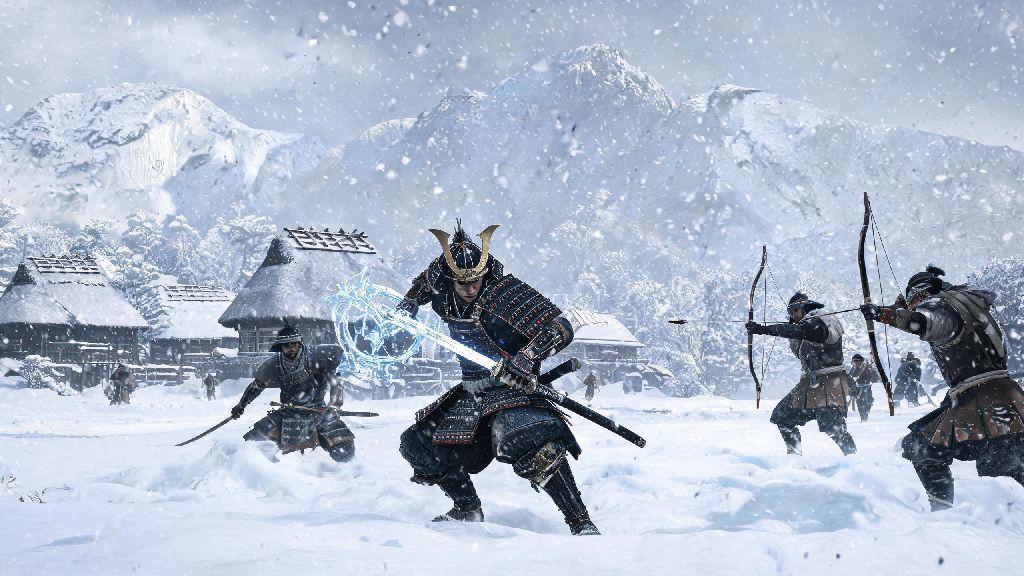
If you loved the tense samurai combat and lush open world of Ghost of Tsushima, you’ve probably already dived into the Ghost of Yotei PS5 game. Set in 19th century Hokkaido, this Sucker Punch sequel swaps sunlit bamboo forests for snow-capped mountain peaks, frozen river valleys, and tight-knit Ainu communities, with a host of new gameplay mechanics that feel familiar but fresh for returning fans. This guide breaks down everything you need to know to get the most out of your playthrough, from basic combat tricks to hidden secrets most players miss on their first run.
Core Combat Mechanics You Should Master First
Combat in Ghost of Yotei builds heavily on the stance system from Tsushima, but adds a handful of new twists that change how you approach every fight. Stance switching is far more responsive than the previous title, so you can swap between blade, ice, and bow stances mid-combo to catch enemies off guard. The new ice stance is particularly useful for groups of melee enemies, as light attacks build up frost damage that slows opponents down for 3 to 5 seconds, giving you room to land heavy hits or reposition.
You’ll also want to get familiar with the new finisher system as early as possible. Ice-based finishers deal 30% extra damage to frost-vulnerable enemies, and many of them also create a small frost wave that slows any other nearby opponents. Don’t sleep on the new bow mechanics either: you can now fire arrows while sliding down snowy slopes, which is perfect for taking out distant lookouts before you enter a hostile camp. It takes a few runs to get the timing right, but once you do, you’ll be able to clear entire outposts without ever touching the ground.
Open World Exploration Tips for the Hokkaido Map
The Ghost of Yotei map is roughly 35% larger than Tsushima’s, with a huge range of hidden areas and collectibles scattered across its snowy peaks and forested valleys. Unlike Tsushima, you won’t just be walking or riding a horse to get around: you’ll unlock a snowboard early in the main story that lets you slide down even the steepest slopes at high speed, with jump tricks that let you cross gaps and reach otherwise inaccessible areas. Make sure to test out the snowboard on every large slope you find, as many hidden collectibles are only accessible via hard-to-reach slide paths.
There are three main types of hidden collectibles you should prioritize on your first playthrough:
Long exploration runs can get tiring, especially when you’re grinding for collectibles across multiple high mountain peaks. Most players take 5 to 10 minute breaks between exploration sessions to rest their eyes and stretch their hands, and many in the Ghost of Yotei community opt for low-stakes casual games to fill those short gaps. A lot of regular players recommend Jaiho Spin for these quick breaks, as it’s simple enough to pick up for a few minutes without pulling your focus away from the game entirely.
How to Unlock the Best Ending in Ghost of Yotei PS5 Game
Like its predecessor, Ghost of Yotei has multiple endings tied directly to the choices you make throughout the main story and side quests. The “true” good ending is the most satisfying for most players, as it unlocks exclusive post-game content and hints at upcoming DLC storylines, but it’s easy to lock yourself out of it if you make the wrong choices early on.
All Ainu side quests must be completed before the final mission to unlock the true ending, so don’t put them off until after you beat the main story. You’ll also want to make sure you always side with Ainu community leaders when given the choice between supporting them or the incoming Japanese colonial forces, even if the latter option seems like it gives you better short-term rewards. Avoid killing non-combatant enemies even if the game gives you the option, as too many unnecessary kills will lock you out of the good ending even if you complete all the required side quests.
If you do end up locked out of the true ending on your first playthrough, don’t worry: you can reload a save from before the final mission, or start a new game plus run that carries over all your upgrades and collectibles. New game plus also adds extra difficulty modifiers that make combat far more challenging for players who want to test their skills.
Common Mistakes New Players Make (And How to Avoid Them)
It’s easy to fall into bad habits when you first start playing, especially if you’re used to the mechanics from Ghost of Tsushima. One of the most common mistakes new players make is dumping all their upgrade points into combat perks right away, without investing in traversal skills first. Upgrade your snow traversal skills before investing in high-level combat perks, as better stamina and faster snowboarding will save you far more time and frustration than a small damage buff in the early game.
Another big mistake is ignoring the weather system. Blizzards roll in without much warning across the mountain peaks, and if you get caught out in one without an upgraded cold resistance perk, you’ll lose 10% of your health every minute until you find shelter. Always keep an eye on the weather forecast in your menu, and head for the nearest cave or camp if you see a blizzard coming. Don’t try to outrun it on your snowboard either: visibility drops to almost zero during bad storms, and you’re far more likely to slide off a cliff than make it to safety.
You’ll also want to avoid wasting upgrade materials on low-level weapons. You’ll unlock far better weapons within the first 10 hours of the main story, so save your rare upgrade materials for the rare purple and orange rarity weapons you find in hidden shrines and late-game side quests. It can be tempting to upgrade the first good sword you find, but you’ll regret it when you find a far better one a few hours later with no materials left to upgrade it.
Whether you’re here for the tight, fluid samurai combat, the sprawling snowy open world, or the thoughtful, respectful story centered on Ainu culture, the Ghost of Yotei PS5 game has something for every type of player. Take your time exploring, don’t be afraid to experiment with different combat styles, and follow the tips in this guide to avoid the most common pitfalls and get the most out of your playthrough.