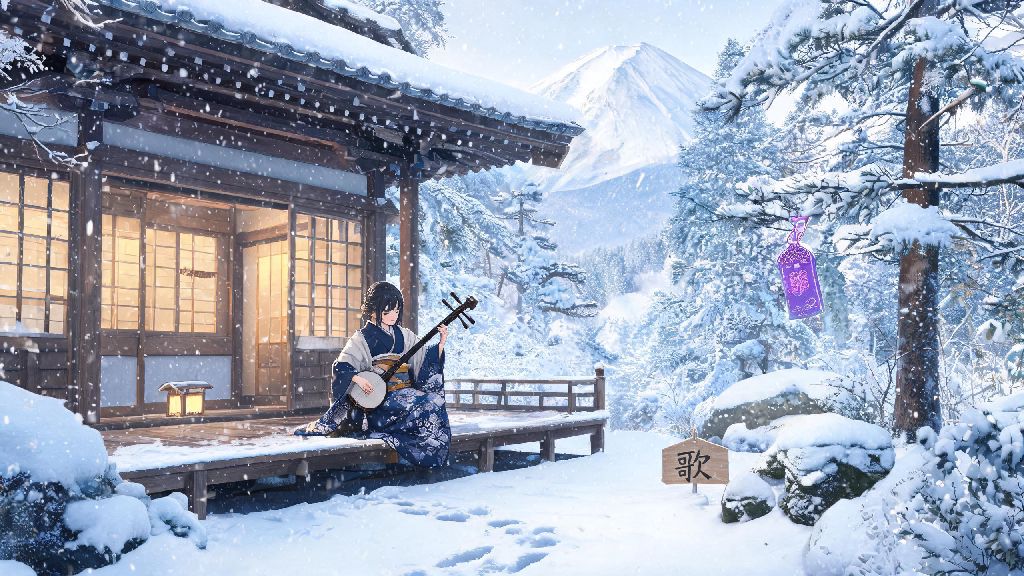
As a long-time fan of the Ghost of Tsushima franchise, I spent my first 10 hours with the new title chasing every side activity I could find, and nothing hooked me more than the shamisen songs Ghost of Yotei hides across its snowy Hokkaido map. These aren’t just throwaway cosmetic collectibles, either: each track ties to regional history, character backstories, and even unlocks exclusive combat buffs if you can master the rhythm minigame tied to them. I’ve rounded up everything I learned tracking down every single one of these tracks, from easy unlocks to the secret song you can only get after beating the main story, to save you hours of wandering frozen mountain passes looking for missed collectibles.
What Makes Shamisen Songs in Ghost of Yotei Worth Collecting?
You might be tempted to skip over the shamisen NPCs you spot in small villages and roadside rest stops, but that’s a mistake I made early on that cost me some really useful perks. For one, every song you unlock adds to your fast travel soundtrack, so you can customize the music that plays while you glide down mountain slopes or ride your horse across the plains. Each completed song also gives you a permanent +2% boost to parry timing windows, which stacks up to a 30% boost once you collect all 15 tracks. That might not sound like a lot at first, but it makes the hardest late-game duels feel far more manageable, especially if you struggle with perfect parries like I do.
On top of gameplay perks, these songs also fill in gaps in the game’s lore that the main story doesn’t cover. You’ll hear tracks written by villagers who survived the initial Mongol invasion of Hokkaido, laments for lost family members, and even playful folk songs that show what daily life looked like for ordinary people long before the main game’s events start. I found myself sitting through full playthroughs of each song just to listen to the lyrics and the small stories the NPCs shared after I finished playing.
There’s also a small, fun cosmetic reward for collecting all songs: you unlock a custom carved shamisen skin for your in-game instrument, with engravings matching the region each song comes from. It’s a small touch, but it makes pulling out the instrument to play for villagers feel far more personal. Even if you’re only casually interested in the shamisen songs Ghost of Yotei includes, these small perks make the effort of tracking them down well worth it.
Easy Shamisen Songs to Unlock First for New Players
If you’re just starting out and want to grab a few quick songs to get those early parry boosts, there are 5 tracks you can unlock within the first two hours of gameplay without fighting any high-level enemies. I tracked all of these down on my first playthrough without even trying, and they set me up really well for the first major story duel.
All three of these songs take less than 10 minutes total to collect, and they give you a 6% parry boost right off the bat. I’d highly recommend grabbing them before you take on the first story duel against the Mongol commander, as that fight has some really fast attack sequences that the extra parry window makes far easier.
One small tip I wish I knew early on: you don’t have to get a perfect score on a song to unlock it. Even if you miss half the notes, the NPC will still give you the track, you just won’t get the extra small reward (usually a minor crafting material) for getting a perfect run. You can always come back later to get a perfect score once you’re more comfortable with the rhythm mechanics.
The Hidden Lore Behind the Rarest Shamisen Tracks
Most of the common shamisen songs are easy to find, but the 4 rarest tracks in the game are tied to side quests that most players miss entirely. These tracks have some of the deepest lore in the entire game, so they’re well worth seeking out even if you don’t care about the parry boosts.
My favorite of these rare tracks is the Song of the Yotei Spirit, which you unlock after completing a 3-part side quest helping a group of Ainu villagers protect their sacred grove from Mongol soldiers who are trying to cut it down for firewood. The song itself is a traditional Ainu folk tune that the developers worked directly with cultural consultants to recreate, and the lyrics talk about the mountain spirit that lives inside Mount Yotei, protecting the people who live on its slopes. Playing this song near wild animals in the game will make them non-aggressive for 2 minutes, which is incredibly useful if you’re trying to hunt rare animals for crafting materials without spooking them.
Another rare track is the Warrior’s Lullaby, which you get from the mother of a samurai who died fighting the Mongol invasion. She gives you the song after you help her retrieve her son’s armor from a nearby Mongol camp, and the lyrics are the lullaby she used to sing to him when he was a child. I won’t spoil the full story attached to it, but it’s one of the most emotional side quests in the entire game, and the song itself is so beautiful I often play it just to listen when I’m exploring the map.
The two other rare tracks are tied to post-game content, so you won’t be able to unlock them until you beat the main story. One is a song written by Lord Shimura, and the other is a playful folk song that Jin learned as a child. Both have small story beats that wrap up loose ends from the main Ghost of Tsushima story, so they’re a must for long-time fans of the franchise.
Tips for Mastering Hard Shamisen Song Perfect Runs
Once you’ve collected all the songs, you might want to go back and get perfect runs on all of them to unlock the extra rewards, including the exclusive shamisen skin. I struggled a lot with the faster songs at first, but I picked up a few tricks that made getting perfect runs far easier than I expected.
The first thing I did was turn off the background music in the game’s audio settings. The rhythm notes are timed directly to the shamisen track itself, so having other background noise like wind, combat sounds, or the overworld soundtrack can throw off your timing. I also turned up the music volume slightly higher than the default, so I could hear the subtle note changes that signal when the next key press is coming.
Don’t look at the note prompts on the screen if you can help it. I found that I missed far more notes when I was staring at the little popups than when I just listened to the rhythm and pressed the buttons in time with the music. The prompts are slightly delayed by a few milliseconds, so relying on them will make you miss notes on the faster, more complex tracks. It takes a little practice to get used to playing by ear, but it’s worth it once you get the hang of it.
Another trick I picked up is to play the song through once without worrying about getting a perfect score, just to learn the rhythm. Most of the songs have repeating patterns, so once you memorize when the fast sections come in, you can prepare for them ahead of time. I also found that using a controller with customizable button mapping helped a lot, as I could set the note inputs to the shoulder buttons instead of the face buttons, which made faster presses far easier.
You don’t have to get all perfect runs in one go, either. I spent 10 minutes a day over the course of a week going back and finishing perfect runs on the hardest tracks, instead of grinding them all in one sitting and getting frustrated. It’s supposed to be a fun side activity, not a chore, so take breaks if you find yourself getting stuck on a particular song.
At the end of the day, the shamisen songs Ghost of Yotei offers are far more than just a silly side distraction. They’re a perfect blend of gameplay rewards, deep worldbuilding, and respectful representation of traditional Japanese and Ainu culture that makes the game’s world feel far more alive and real. Even if you usually skip side collectibles in open world games, I’d highly recommend taking the time to track these down, even if you only grab the easy ones early on for the parry boosts. You might just find a new favorite folk song, or a small side story that sticks with you long after you finish the main game.