If you’ve scrolled through gaming TikTok, Reddit, or Discord servers since the first Ghost of Yotei tease dropped, you’ve almost certainly run into the hotly debated question: is ghost of yotei woke. It’s not just a throwaway culture war talking point, either. The question is rooted in both the franchise’s well-documented commitment to historical accuracy and growing frustrations from players tired of shallow, performative representation in big-budget games. We’re not here to take sides in bad faith arguments, but to break down what the question actually means, what hard evidence we have from developers so far, and what this means for the future of the Ghost franchise.
Is Ghost of Yotei Woke? Breaking Down the Question’s Origins
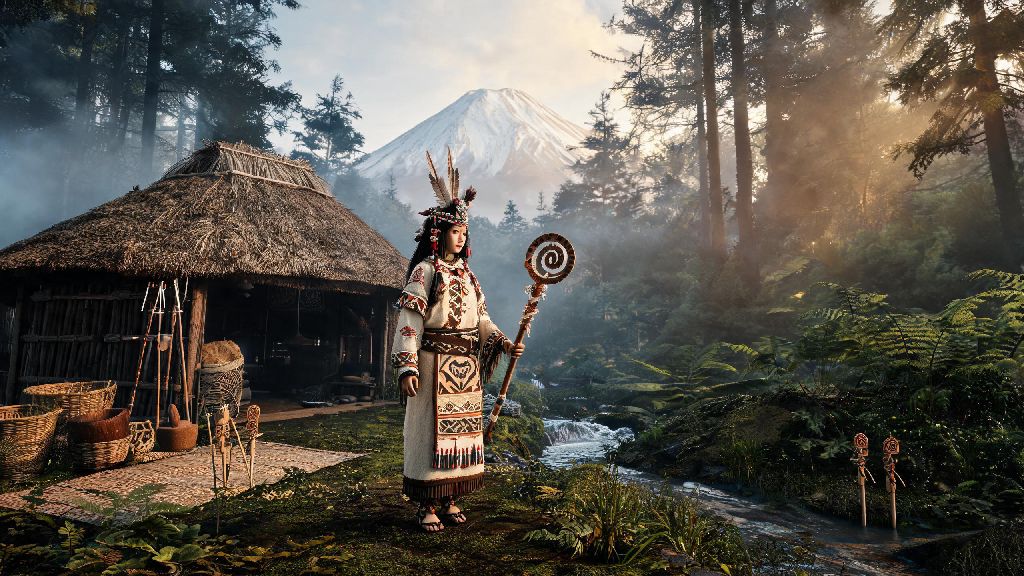
The conversation first blew up a few weeks after the game’s announcement trailer went live, when players spotted hints that the protagonist has Ainu heritage and the story is set in 17th-century Hokkaido, the traditional ancestral land of the Indigenous Ainu people. A small, loud subset of long-time Ghost of Tsushima fans immediately complained that the franchise was “going woke” by moving away from traditional samurai stories to center Indigenous and female perspectives. But for most players asking the question in good faith, it’s less about culture war outrage and more about wanting to know if the representation will be respectful, not just a marketing gimmick.
I sat in on a community panel for Japanese game developers last month, and the split in opinion was impossible to miss. Half the room was asking if Sucker Punch was working directly with Ainu creators to shape the story, and the other half was complaining that “they’re ruining the samurai power fantasy we loved from the first game.” The question of whether the game is “woke” almost always boils down to two competing concerns: respect for marginalized historical groups, and frustration with shallow, performative representation in modern media.
It’s fair to be skeptical, honestly. We’ve all seen big studios tack on diverse characters or social themes at the last minute to score marketing points, without putting in the work to make those elements feel natural to the story. But the Ghost franchise has a track record that makes that outcome far less likely than you might think.
How Ghost of Tsushima's Precedent Frames Yotei's Narrative Choices
If you played the first Ghost of Tsushima, you already know Sucker Punch doesn’t shy away from complicated, progressive themes that challenge traditional samurai mythos. The game didn’t glorify samurai culture as a perfect, honorable system: it repeatedly called out the rigid classism that left peasant communities to die in conflicts they had no part in, and criticized samurai leaders who prioritized their own pride over protecting the people they swore to serve. It also included fully realized female characters like Lady Masako and Yuna, who had their own goals, trauma, and agency, and never existed just to be a love interest for Jin.
Sucker Punch worked with over 20 Japanese historians and cultural consultants for the first game, and that level of care is a strong indicator of how they’ll approach Yotei's more complex cultural context. The lead director for Yotei confirmed in a recent interview that the team has been working with Ainu cultural advisors for three years already, long before the game was even announced. They’re not just bringing in consultants to sign off on a finished script, either: advisors are involved in every step of development, from character design to plot beats to dialogue translations.
A lot of the pushback about “wokeness” comes from people who don’t realize Ainu people are still alive today, fighting for formal cultural recognition and reparations from the Japanese government. Their history isn’t a “modern add-on” to make the game more progressive: it’s a core part of Hokkaido’s history that has been erased from most mainstream samurai media for decades. If anything, leaving Ainu voices out of a game set in 17th-century Hokkaido would be far more historically inaccurate than centering them.
What We Know So Far About Yotei's Core Themes
All confirmed details from official teases and developer interviews point to three core themes that are driving the ongoing “woke” conversation. None of these are out of left field for the franchise, and all are rooted in verifiable historical fact:
None of these themes are forced if they’re rooted in the actual setting and story. A lot of people who complain about “woke” historical games act like marginalized groups didn’t exist in the past, but that’s just a failure of mainstream history education, not a flaw in the game’s writing. The biggest red flag for performative “wokeness” would be if the game uses Ainu culture as set dressing without giving Ainu creators actual input on the story, and all signs so far point to that not being the case.
It’s also worth noting that the first game had plenty of these same themes, but no one called it “woke” back then. The only difference is that Yotei is centering perspectives that are even more erased from popular media, which is triggering a predictable reaction from people who only want to see the same types of characters and stories they’re used to.
How to Tell if Representation Is Authentic vs. Performative
We won’t know for sure how well the game handles its themes until it launches, but there are a few clear signs you can look for to judge for yourself if the “woke” elements are respectful or just marketing fluff. You don’t need to be a historian to spot the difference, either.
First, pay attention to whether Ainu characters get to speak for themselves, or if they’re just side characters who exist to support the protagonist’s personal arc. Authentic representation means minor Ainu characters will have their own goals, motivations, and opinions, not just exist to teach the protagonist a lesson about her heritage. Second, look for nuance in how the conflict between Ainu and Japanese communities is framed. There were Ainu people who collaborated with Japanese settlers, and Japanese people who opposed the invasion of Hokkaido, so a one-sided “all samurai are evil, all Ainu are perfect” story would be a clear sign of shallow writing.
Finally, pay attention to how cultural elements are used. Are Ainu traditional clothing, rituals, and language used correctly and respectfully, or are they just exotic props for cool action set pieces? Authentic representation doesn’t mean the game is “preachy” – it means the themes are woven into the story naturally, not tacked on to score points with progressive audiences.
You also have to tune out the bad faith takes, honestly. A small subset of gamers will call any game that centers non-male, non-majority characters “woke” no matter how well it’s written. I saw the exact same complaints when God of War Ragnarok came out, with people complaining that the game had “too many strong female characters”, and that story ended up being one of the most universally praised narratives in recent gaming history. Most of the initial outrage is just noise from people who have already decided to hate the game without seeing any actual gameplay or story details.
At the end of the day, if your definition of “woke” is prioritizing authentic historical representation, centering voices that have been erased from most samurai media, and treating marginalized groups with respect, then the answer to is ghost of yotei woke is a resounding yes – and that’s a win for both historical accuracy and better video game stories. We won’t know for sure how well the team pulled it off until launch, but all the early signs point to a thoughtful, well-researched story that honors both the Ghost franchise’s roots and the real history of Hokkaido. If you’re excited for the launch, spend a little time reading up on Ainu history before it comes out – it’ll make your first playthrough far more meaningful.