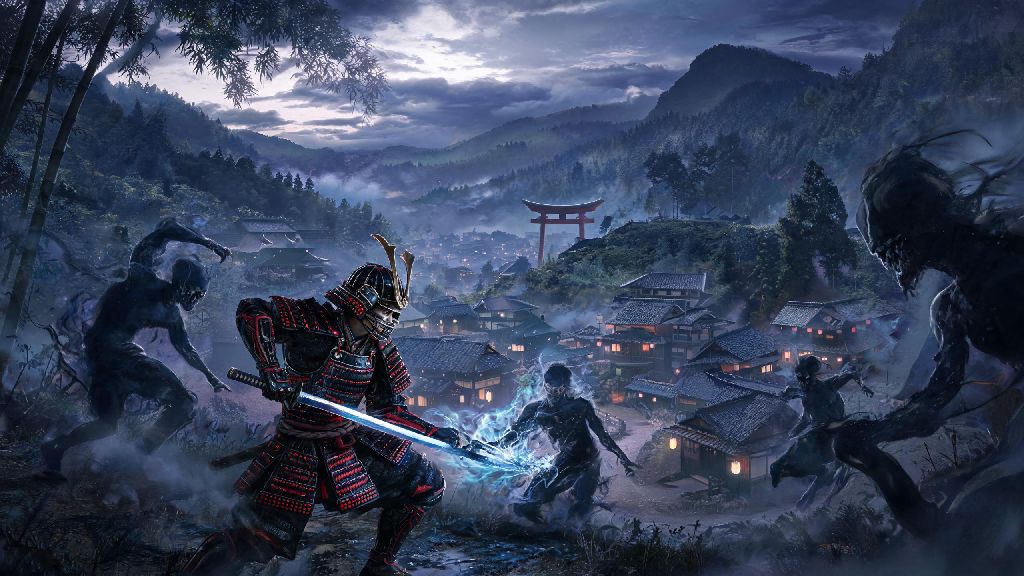
If you’ve spent any time scrolling through fan forums or narrative breakdowns of Sucker Punch’s samurai open-world hit, you’ve almost certainly stumbled across mentions of ghost of yotei tv tropes. The game pulls heavily from classic samurai cinema, Japanese folklore, and even western revenge stories, so it’s no surprise that it checks off dozens of well-loved, often referenced trope boxes that fans love to pick apart. I’ve spent over 80 hours playing through every side quest and hidden story beat, and I’ve lost count of how many times I’ve paused and thought “oh, that’s exactly the trope I saw referenced last week.” Whether you’re a first-time player looking to spot familiar beats as you go, or a long-time fan wanting to dig into why the story feels so satisfying, this breakdown covers all the most notable tropes you’ll find across the game’s main campaign and DLC.
What Makes Ghost of Yotei TV Tropes Stand Out From Other Samurai Game Narratives
Most samurai games lean into either grimdark ultraviolence or cartoonish over-the-top tropes, but Ghost of Yotei strikes a careful balance between the two that makes its trope usage feel intentional rather than lazy. A big part of that difference comes from how the team plays with existing tropes instead of just copying them wholesale. The “reluctant hero” trope is a perfect example: the protagonist isn’t a generic chosen one destined to save the world, he’s a disgraced samurai who has to abandon the code he’s followed his whole life just to save his small home island.
Another key difference is the subversion of the “honor above all” samurai stereotype that shows up in almost every samurai piece of media. Where most games frame strict adherence to samurai honor as the only “correct” way to play, Ghost of Yotei lets you choose between honorable open combat and stealthy “ghost” tactics, and the story never shames you for picking one over the other. The TV Tropes page for the game even has a dedicated section for subverted tropes, which is one of the most visited parts of the page for new fans looking to spot clever writing choices.
The Most Common Tropes Spotted in the Main Campaign
Across the 30+ hour main campaign, you’ll run into dozens of tropes that have been cataloged on TV Tropes by fans, but a handful pop up so often they’ve become synonymous with the game’s identity. Some are played completely straight for nostalgic value, others are twisted to keep players guessing, but all of them serve the story rather than the other way around. Some of the most widely referenced include:
What makes these tropes work so well is that they never feel forced. You won’t get a ham-fisted exposition dump explaining a trope, it unfolds naturally as you play through side quests and main story beats. I actually didn’t notice how often the “villain has a point” trope was used until my second playthrough, when I realized I agreed with almost half of the antagonist’s arguments during his early monologues. The game also uses the “weather reflects mood” trope consistently throughout the campaign, with rain falling during every major emotional loss and clear sunny skies hitting right as you win a big battle against the invading forces.
Fan-Favorite Tropes From Side Content and DLC
While the main campaign has plenty of widely recognized tropes, the game’s side content and Iki Island DLC are packed with smaller, more niche tropes that fans have rallied around. A lot of these tropes focus on smaller, personal stakes instead of the big “save the island” arc of the main story, which makes them feel more intimate and memorable for many players.
One of the most beloved tropes across all side content is the “stray animal companion” trope, which shows up in the form of tameable foxes that lead you to hidden shrines, stray cats you can pet around villages, and even a loyal deer that follows you for a short side quest in the northern mountains. Fans have voted this trope as their favorite on the TV Tropes discussion page multiple times, and it’s spawned hundreds of pieces of fan art of the protagonist with his animal friends. The Iki Island DLC also uses the “redemption equals death” trope for one of its core side characters, which sparked weeks of debate on the TV Tropes forums, with some fans saying it was a fitting end to the character’s arc and others saying it was a cheap, lazy way to wrap up their story.
I still think about the side quest where you help an old potter rebuild his shop after a bandit attack; it’s a perfect execution of the “simple life worth fighting for” trope that doesn’t feel cheesy at all. It’s small moments like that that make the game’s trope usage feel so much more thoughtful than most other open-world games on the market.
How TV Tropes Discussions Have Shaped Ghost of Yotei Fan Culture
The Ghost of Yotei TV Tropes page is one of the most active pages for any recent single-player game, with hundreds of edits a month from fans adding new trope entries, correcting details, and debating interpretations of different story beats. The devs have even referenced the page in multiple interviews, saying they love seeing what tropes fans pick up on that the writing team didn’t even intentionally include during development.
Fan theories and headcanons often start from TV Tropes discussions too. For example, the popular theory that the protagonist’s dead father is actually alive and hiding on a small island off the coast came directly from a trope entry about the “never found the body” plot beat, which fans pointed out was used when the father’s supposed death was shown in a flashback. Fans have even created “trope hunt” challenge runs, where you have to complete every quest that features a specific trope, like all quests that use the “false friend” trope, as a fun way to replay the game if you’ve already beaten it multiple times.
Modders also draw heavily from the TV Tropes page for custom content ideas. I’ve seen multiple modders create custom side quests that lean into the more beloved tropes, like a full companion quest for the stray cat you meet early in the game, which was directly inspired by a TV Tropes entry about underused side characters that deserve more screen time.
At the end of the day, the reason ghost of yotei tv tropes get so much attention is that the game uses familiar narrative beats in fresh, thoughtful ways that resonate with players across different backgrounds. You don’t have to be a trope expert to enjoy the story, but knowing what to look for can add a whole new layer of fun to your playthrough. Next time you boot up the game, keep an eye out for the tropes we covered here – you might be surprised how many you spot that you missed on your first run.