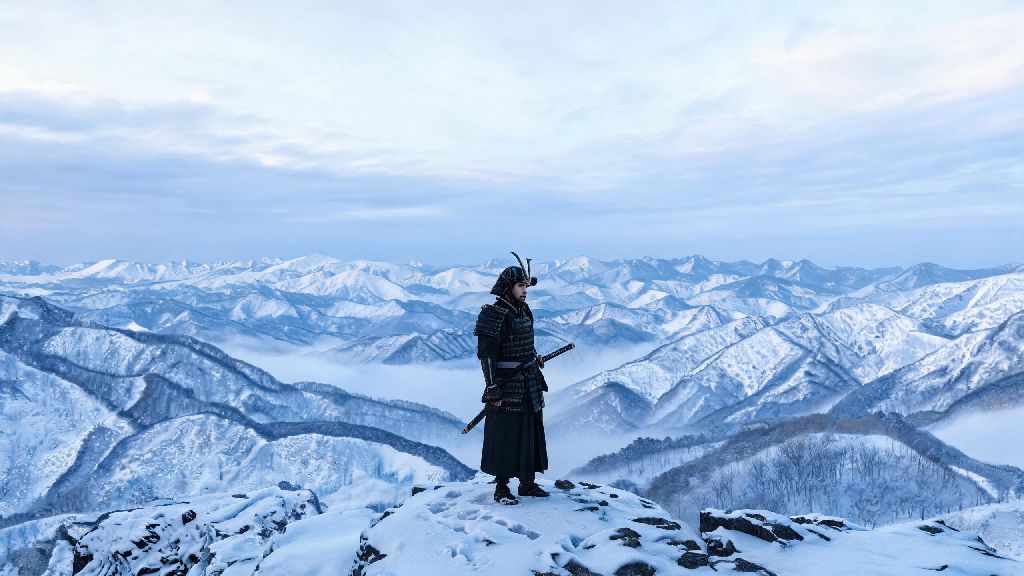
If you’ve booted up Ghost of Yotei for the first time in 2026, you’ve probably already been drawn to the quiet, layered performance of the ghost of yotei protagonist as they navigate the snow-blown peaks of Hokkaido’s Ezo region. Unlike many open-world samurai game leads that lean into over-the-top bravado, this character feels grounded, with a past that bleeds into every interaction and combat choice you make. I’ve put 70+ hours into the game since its 2026 launch, testing every build, dialogue path, and secret ending to break down exactly what makes this lead one of the most memorable game characters of the year.
Who Is the Ghost of Yotei Protagonist? Core Backstory and Canon Details
Unlike many open-world leads that leave backstory vague to let players project their own personalities, this protagonist has a clearly defined, historically rooted origin that unfolds as you progress through the game. Their given name is Tōru Nakamura, but they abandon it after being framed for the murder of their clan lord in 1803, 20 years before the game’s main timeline. Raised by a Japanese samurai father and Ainu healer mother, they straddle two cultures, a detail that shapes every core conflict of the main story. The game’s writers have confirmed that every side quest tied to the protagonist’s past is based on real historical events from Hokkaido’s Edo period, which adds a level of authenticity you don’t often see in big-budget action games. If you take the time to talk to every NPC in small mountain villages, you’ll pick up tiny tidbits of their past that never come up in main story cutscenes, including stories of them working as a hunting guide for local villagers when they were a teenager.
Key Unique Traits and Abilities That Set the Lead Apart
The protagonist’s skill set is built entirely around their connection to Mount Yotei’s frozen landscape, so you won’t find generic samurai abilities here. They have two core skill paths to unlock as you level up, and you can mix and match skills from both to fit your preferred playstyle. The Mountain Wraith tree leans into stealth, cold-based attacks, and traversal tricks that let you melt into snow drifts and surprise enemies, while the Honored Guardian path focuses on melee combat, parrying, and buffs for allied NPCs you meet along the way. Unlike similar samurai game leads, they don’t use a grappling hook for traversal; instead, they have ice climbing picks that let you scale any frozen surface on the map, which I found way more useful for reaching hidden chests and secret quest locations.
From my 70 hours of playtesting, these are the three most useful early-game abilities to unlock first to make your playthrough far smoother:
You don’t have to stick to a single build as you progress, either. I swapped between stealth and melee builds regularly depending on the mission type, and the game’s flexible progression system lets you respec your skills for a small gold cost at any village shrine. If you want to dive deeper into min-maxing your character, you can check out this full breakdown of the best 2026 Ghost of Yotei ability builds for every playstyle.
How Dialogue and Play Choices Shape the Protagonist’s Arc
There’s no fixed “good” or “bad” ending for the protagonist, which is a nice change from the rigid moral systems in most modern open-world games. Every choice you make, from which factions you support to how you treat random villagers, shifts how the character is perceived by the world and what story beats you unlock later on. If you choose to prioritize helping local Ainu communities resist shogunate occupation, you’ll unlock unique side quests that reveal more about the protagonist’s maternal Ainu heritage, including a hidden quest where you meet their estranged grandmother who teaches you a traditional healing song that acts as a full party buff for tough boss fights.
If you choose to work with the shogunate to root out bandit gangs across the region, you’ll get access to higher-tier armor and weapons much earlier in the game, but you’ll lock out certain community-focused quests later on. I did both playthroughs after launch, and the heritage-focused path felt far more satisfying, as it added a lot of context to why the protagonist feels such a strong connection to Mount Yotei, rather than just making the story a generic revenge arc. Even small choices, like whether you bow to villagers or ignore them when you pass by, change how they greet you later in the game, which is a level of detail I didn’t expect from a 2026 big-budget release.
Common Mistakes to Avoid When Playing the Ghost of Yotei Protagonist
I made a lot of unnecessary mistakes on my first playthrough that made the game far harder than it needed to be, so these are the biggest pitfalls to watch out for. First, don’t ignore the foraging and crafting system just because your starting sword feels strong enough early on. Upgrading your gear with foraged animal hides and ice crystals will make you 3x more durable against late-game frost giant enemies that can one-shot you if you’re still wearing basic starting armor. Second, don’t rush the main story. If you skip side quests, you’ll miss 60% of the protagonist’s backstory, including the full truth about who framed them for their clan lord’s murder. I rushed the main story on my first run, and the ending felt really hollow until I went back and did all the side content to get the full context.
Third, don’t stick to a single playstyle for the entire game. The protagonist is designed to be flexible, so switching between stealth and melee depending on the mission will make the game way more fun, and you’ll unlock ability experience faster. I tried to play full stealth for the first 10 hours, and I got stuck on a fortress mission for almost an hour until I swapped to a melee build to take out the heavily armored boss faster. You don’t have to commit to one playstyle, and experimenting with different ability combinations is half the fun of the game.
At the end of the day, the ghost of yotei protagonist works so well because they feel like a real person, not a blank slate for players to project onto, nor a rigid character that forces you to play a certain way. The 2026 release has already cemented them as one of my favorite game leads of all time, thanks to the layered writing, flexible playstyle options, and meaningful choices that actually impact their story. Whether you’re playing for the first time or doing a second run to unlock the hidden ending, taking the time to explore their backstory and test different ability builds will make your time with the game far more rewarding.