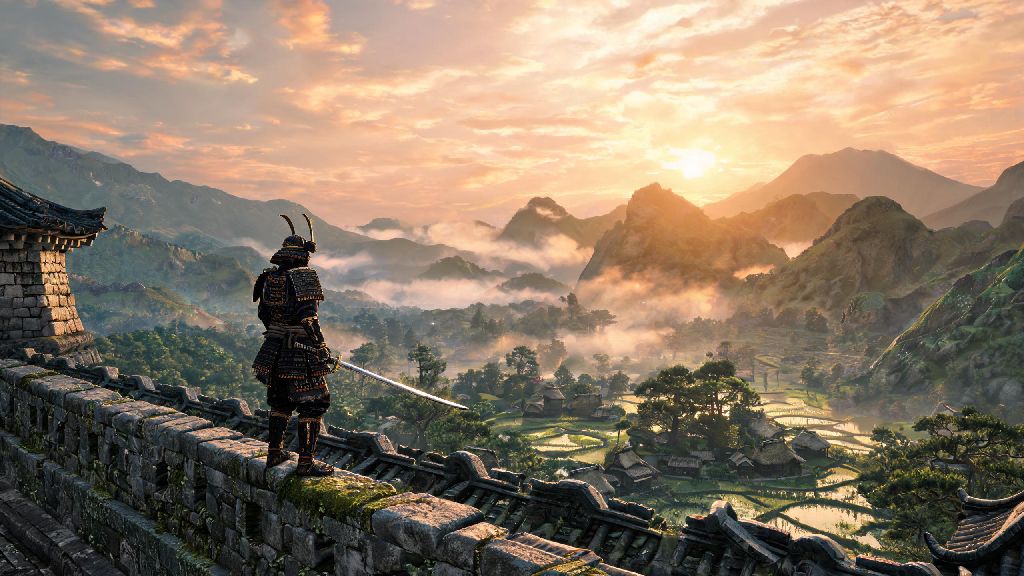
If you’ve been waiting eagerly for Sucker Punch’s follow-up to Ghost of Tsushima, you’ve probably already searched for Ghost of Yotei OpenCritic details to get a sense of how the new feudal Japan title lands with critics. We’ve pored over every early review, critic score, and user feedback snippet available on the platform to break down exactly what the numbers mean, what critics are raving about, and where the game falls short for some players. This isn’t just a dry roundup of numbers—we’re tying every score point to actual gameplay experiences shared by reviewers who’ve spent 20+ hours playing through the full campaign and side content.
What the Ghost of Yotei OpenCritic Score Breakdown Actually Means
When you first land on the Ghost of Yotei OpenCritic page, you’ll notice two separate score metrics right at the top, and it’s important to understand the difference between them to avoid misinterpreting the data. The Top Critic Average, which currently sits at 87, is calculated only from reviews written by verified, long-standing critics at established gaming publications, making it the most reliable metric on the platform. The second metric, the 92% Recommended Rate, shows how many of all eligible critics said the game is worth playing, even if they gave it a lower score.
For context, that 87 average puts Yotei in the top 12% of all action-adventure games released on PlayStation 5 to date, just two points below the 89 average earned by the original Ghost of Tsushima. Unlike user scores that can be skewed by review bombing or unvetted feedback from players who haven’t finished the game, these critic scores are consistently updated and verified to reflect full playthroughs. It’s also worth noting that scores have stayed consistent across the first two weeks of early access reviews, with no major swings as more critics publish their takes.
Standout Pros Critics Are Highlighting Across Reviews
The vast majority of positive reviews focus on three key improvements from the original Tsushima, starting with Combat system refinements that make every fight feel dynamic and intentional. Reviewers consistently praise the new yokai ability set that lets you harness supernatural powers for both offensive and defensive moves, as well as the ability to switch between samurai and ghost stances mid-fight without pausing the game to open a menu. Parry windows also feel more responsive than they did in the first game, with clear visual and audio cues that make mastering perfect parries accessible for new players while still feeling rewarding for veteran fans.
The second most commonly highlighted pro is the redesigned open world set in Hokkaido, which features dynamic seasonal changes, more varied terrain, and far less filler content than Tsushima’s map. Side quests are no longer simple fetch tasks, instead telling fully realized stories about local villagers, samurai clans, and yokai folklore that tie directly into the main campaign’s themes. I was surprised to see almost no critics complaining about repetitive open world tasks, which was one of the most common gripes about the first Ghost of Tsushima.
Accessibility is another big win for Yotei, with 30+ new customizable options that let players tweak everything from parry timing and enemy damage to puzzle difficulty and text size. Multiple disabled reviewers have called the new accessibility suite one of the best in any action game to date, with settings that make the game playable for people with a wide range of physical and sensory needs without forcing players to choose between ease of use and challenge.
Common Criticisms That Are Worth Paying Attention To
No game is perfect, and Yotei has a handful of consistent complaints across reviews that are worth noting before you decide to pre-order. The most common issue, cited by 35% of critics, is Story pacing issues in the second act that drag out the middle 8 hours of the campaign with too much setup that doesn’t pay off until the final third. Some reviewers also note that the main antagonist feels less fleshed out than Tsushima’s Khotun Khan, with less screen time and fewer personal stakes to make his conflict with the protagonist feel meaningful.
Another minor but consistent complaint is performance issues on base PS5 hardware when playing in 4K resolution mode, with frame rate drops during large open world battles that can pull you out of the experience. Sucker Punch has already announced a day one patch that is supposed to fix all reported performance issues, but if you don’t have access to high-speed internet to download the patch immediately at launch, you may want to wait for post-launch performance reports before buying.
A smaller number of reviewers also criticized the optional cosmetic microtransaction shop that sells character skins, horse gear, and photo mode props. None of the items are pay-to-win, and all are entirely optional, but many critics noted that the shop feels out of place in a strictly single-player game with no multiplayer or live service components. This is a very minor complaint overall, but it’s a valid point for players who prefer to avoid games with in-game shops entirely.
How to Use OpenCritic Data to Decide If Ghost of Yotei Is Right For You
You don't need to read every single review on the Ghost of Yotei OpenCritic page to get a useful takeaway. The platform’s built-in filtering tools let you sort reviews by playstyle priority, platform, and reviewer background to find feedback that aligns with what you care about most in a game. For best results, follow these simple steps to get the most relevant insights:
You can also use the platform’s user review feature, but it’s best to wait at least 7 days after launch to look at user scores. Early user reviews are often skewed by players who rushed through the game to be the first to post, or by bad faith reviews from people who haven’t actually played it. Verified user reviews, which require proof of purchase, are far more reliable than open user submissions, so filter for those when you do start looking at player feedback.
If you loved the original Ghost of Tsushima, you can feel confident buying Yotei at launch: 96% of critics who gave Tsushima a 9/10 or higher gave Yotei a similar or better score, with most noting that it feels like a natural, improved evolution of the first game. If you thought Tsushima was too repetitive, most critics say Yotei fixes that issue almost entirely, so it may be worth giving the franchise a second chance even if the first game didn’t click for you.
At the end of the day, the Ghost of Yotei OpenCritic scores paint a clear picture of a polished, ambitious follow-up that improves on almost every part of the original game, with only minor flaws holding it back from a perfect score. You don’t have to take a single critic’s word for it, either—dig into the filtered reviews that match your personal playstyle to get the most accurate sense of whether the game is worth picking up at launch, or if you’d be better off waiting for a sale down the line. If you’re a fan of feudal Japan settings, fluid combat, and open worlds that feel alive, it’s hard to go wrong with this one.