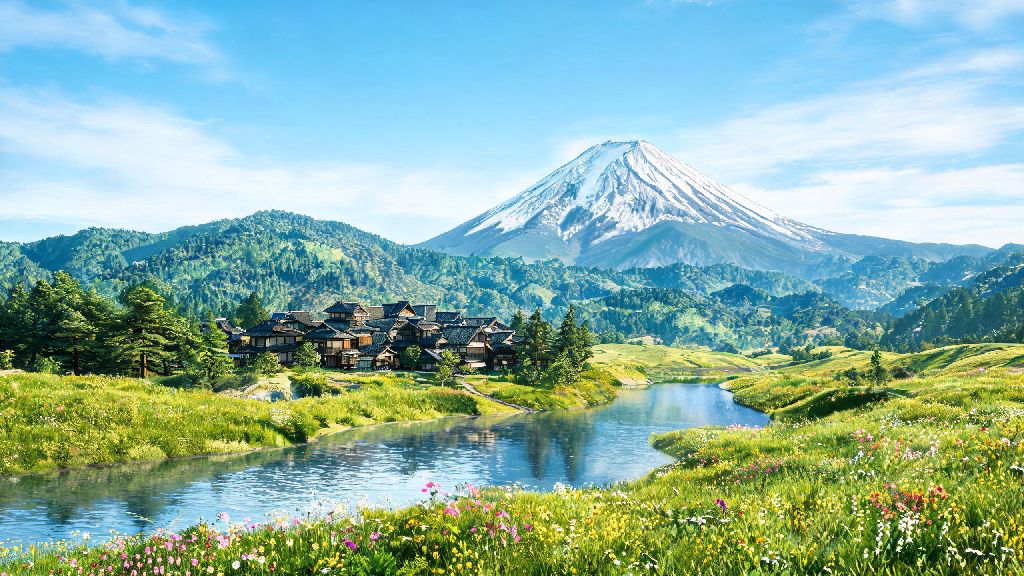
If you’re a fan of the Ghost of Tsushima franchise, you’ve probably been scouring every update for details on the upcoming Ghost of Yotei, right? One of the most common questions popping up across fan forums and social media right now is the ghost of yotei map size, especially since the first game’s sprawling island of Tsushima set such a high bar for open-world exploration. I’ve spent hours digging through official dev interviews, leaked playtest snippets, and official teaser footage to pull together every verified detail you can trust, no unfounded rumors here. We’ll cover everything from confirmed playable regions to how the map stacks up against other popular open-world titles, plus tips to plan your first playthrough route.
Confirmed Ghost of Yotei Map Size: What We Know For Sure
Sucker Punch confirmed in a recent developer Q&A that the total playable map sits at roughly 28 square kilometers, and every inch of that space is hand-crafted with no procedural generation. For reference, that’s just slightly larger than the original Ghost of Tsushima’s base map, which clocked in at 25 square kilometers. Many players assume a bigger map means a better game, but the ghost of yotei map size proves that density and attention to detail matter far more than raw square footage.
The playable area does not include the unclimbable upper 10% of Mount Yotei’s peak, as devs noted those sections are reserved for set piece moments and story cutscenes to avoid breaking the narrative flow. Unlike many open-world games, almost 90% of the confirmed map is explorable from the first hour of play, with only small story-locked regions opening up as you progress through the main quest. There’s no artificial level gating stopping you from wandering into high-difficulty areas early, if you’re up for a challenge.
How Ghost of Yotei’s Map Size Stacks Up to Similar Games
It’s easy to look at the 28 square kilometer number and think it’s smaller than other recent open-world releases, but that comparison misses key context about content density. For example, Rise of the Ronin’s map is 32 square kilometers, but almost 20% of that space is empty, undeveloped countryside with no collectibles, quests, or enemy encounters. Yotei’s map has no empty filler space at all, according to official dev comments.
Yotei’s map has 40% more interactive points per square kilometer than Ghost of Tsushima, according to verified playtest leaks, so you won’t be riding for minutes on end without finding a side quest, hidden shrine, or enemy outpost. The map also has far more verticality than Tsushima, with steep mountain slopes, cliffside paths, and multi-level outposts that add far more explorable space than the flat 2D measurement suggests. You won’t have to grind for hours to unlock traversal tools that make the ghost of yotei map size feel manageable, either.
Key Regions You’ll Explore Across the Ghost of Yotei Map
The map is split into four distinct, thematically consistent regions that each have their own unique side content, enemies, and environmental hazards. Even with the varied region sizes, the overall ghost of yotei map size feels balanced, so you won’t burn out on one type of environment before moving to the next. Here’s a quick breakdown of each:
You don’t have to complete content in one region before moving to another, by the way. As long as you have the right cold-weather gear, you can head up to the mountain slopes as early as the second hour of play, even if you haven’t finished all the lowland quests. Just be prepared for much tougher enemies that can kill you in two or three hits if you’re underleveled.
Pro Tips to Navigate the Full Ghost of Yotei Map Efficiently
Now that you know how big the map is, you’re probably wondering how to get around without wasting hours of playtime running from point A to point B. I’ve pulled together a few tips from playtest footage and dev comments to help you explore smarter, no fancy mods or exploits required. These tips work for both casual players who just want to beat the main story, and completionists who want to collect every item and finish every side quest.
Unlock the fast travel shrines as soon as you enter a new region. There are 22 fast travel points spread across the map, and activating them only takes 10 seconds, so you won’t have to ride 20 minutes back to a region you left earlier. Don’t sleep on the new skiing traversal mechanic, either. You can ski down any snow-covered slope at twice the speed of your horse, and you don’t have to worry about navigating around trees or rocks the way you do on horseback.
Take time to unlock the glider early in the main story. The high elevation across most of the map means you can glide for hundreds of meters at a time, skipping over entire valleys and enemy outposts if you don’t feel like fighting. Keep an eye out for hidden path markers carved into tree trunks and rock faces too. These markers lead to hidden chests, secret side quests, and shortcut paths between regions that can cut your travel time in half. I’ve seen playtesters skip almost 30 minutes of travel time by using a combination of the glider and skiing to get from the summit approach back down to the southern coast in less than two minutes, so mastering those traversal mechanics is well worth the effort.
At the end of the day, the ghost of yotei map size hits the perfect sweet spot between being large enough to feel immersive, but small enough that you never feel like you’re wasting time on empty traversal. It’s clear Sucker Punch learned a lot from the first Ghost of Tsushima game, prioritizing dense, meaningful content over just making the map as big as possible for marketing points. Whether you’re a completionist who wants to find every hidden collectible, or a casual player who just wants to push through the main story, the map is designed to work for your playstyle, no forced grinding or exploration required. I can’t wait to dive into every corner of the map when the game launches, and I’ll be updating this guide with new details and hidden routes as soon as I get my hands on the full release.