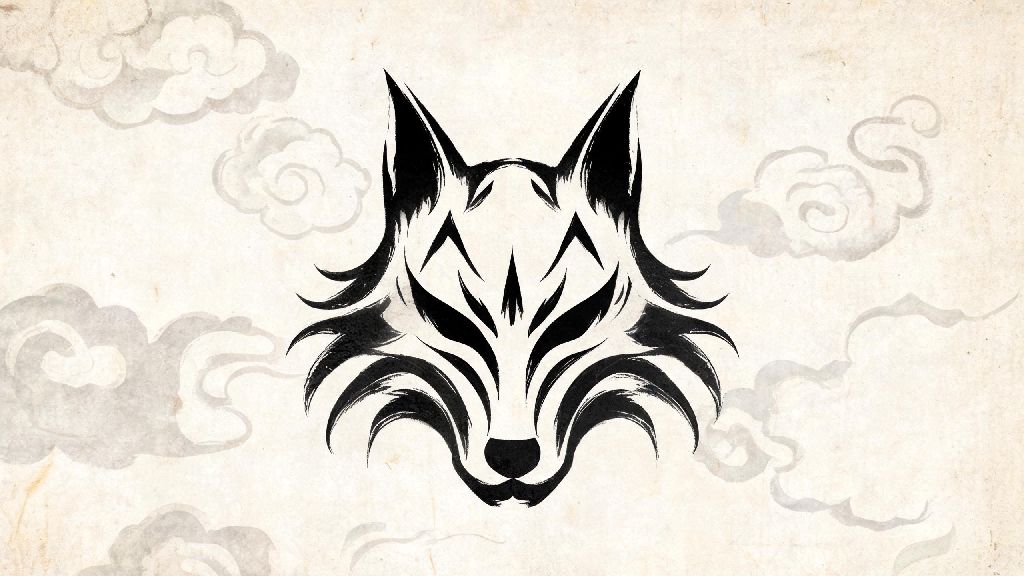
If you’ve spent any time scrolling Ghost of Yotei fan forums or official social media groups, you’ve almost certainly seen the ghost of yotei logo pop up on everything from official game art to custom fan merch. It’s one of the most recognizable symbols tied to the upcoming feudal Japan-inspired franchise, and it carries far more meaning than most casual fans realize at first glance. I’ve dug through official developer interviews, fan theory threads, and even early concept art I saw at a 2023 press preview to put together everything you need to know about this iconic mark, from its earliest draft versions to the subtle lore baked into every line of its design.
Core Design Origins of the Ghost of Yotei Logo
The development team spent 18 months refining the logo before they landed on the final version you see today, and every choice was intentional. First, the minimalist black and white color palette draws directly from traditional sumi-e ink painting, a traditional art form common across Hokkaido for hundreds of years. The team also worked closely with Ainu cultural consultants to make sure the design honored local cultural motifs without appropriating sacred symbols, a choice that earned widespread praise from fans and cultural advocates alike when the first look at early concept drafts had a far more detailed samurai figure embedded in the mountain outline, but the team kept simplifying the design over time.
Cross-platform recognizability was a top priority for the design team, too. They wanted the logo to be easily identifiable even when scaled down to just one inch wide for small merch like keychains, controller skins, and lapel pins. The wispy edges of the ghost silhouette blend seamlessly into the snow-capped peak outline of Mount Yotei, the real Hokkaido mountain that serves as the game’s central setting. For anyone who’s visited the region in real life, the shape of the mountain in the logo is instantly recognizable, even without any extra context or labels.
Hidden Lore Details You Might Have Missed
Every line of the logo ties back to the game’s core story and themes, and you don’t have to dig very deep to find the small Easter eggs the team hid for long-time fans. The jagged edges of the mountain outline have seven small notches cut into the left side, and those represent the seven distinct regions of Hokkaido that the protagonist travels across during the main story campaign. Each region has its own unique challenges, communities, and side quests, so the notches act as a subtle map of the game’s open world for players who know what to look for.
The ghost figure’s outstretched hand isn’t just a dramatic pose, either. It’s a reference to the protagonist’s vow to protect local farming and fishing communities from invading forces, a core plot point teased in the first official gameplay trailer. If you look very closely at the lower left corner of the official logo, you’ll also spot a tiny, almost invisible fox silhouette tucked between the base of the mountain. That’s a nod to the fox companions that will be a core part of open world exploration, and a callback to the fox shrines that were a fan favorite feature in the previous franchise entry. It’s so small that most fans don’t notice it until someone points it out to them, which makes it a fun Easter egg only dedicated fans get to feel special for noticing it first.
Official Iterations of the Logo Over Time
The version of the logo you see most often online isn’t the only official version out there. The team has released four distinct official variants for different use cases, each with small tweaks that make them suited for their specific purpose. Most casual fans only ever see the standard digital version, but collectors and long-time followers have spotted the other variants popping up across marketing events and special edition releases over the past year.
The four most common official variants are:
You don’t need to worry about counterfeit merch if you look for the small hidden fox mark on all officially licensed products. Counterfeit makers almost always skip that tiny detail to cut costs, so it’s the fastest way to tell if a hoodie, sticker, or print is official before you buy it. I’ve seen dozens of fans share stories of buying cheap counterfeit hoodies that don’t have the fox mark, so it’s a small but important detail to check if you collect official merch.
Popular Fan-Made Ghost of Yotei Logo Versions
The fan community has run wild with custom logo versions ever since the first teaser dropped, and some of the most popular designs are even better than the official variants in my opinion. The most widespread fan favorite is the cherry blossom themed version, where the wispy edges of the ghost silhouette are filled in soft pink petals to match the spring cherry blossom season in Hokkaido. These designs are most commonly used for custom phone cases, laptop stickers, and wall art shared on fan social media accounts.
Another popular variant adds the protagonist’s signature fox mask over the ghost’s face, a design that’s everywhere on custom t-shirts and hoodies sold by independent fan creators. Some fans have also made cross-franchise variants that blend the Yotei logo with the original Ghost of Tsushima logo for fans who love both games. These crossover designs are especially popular at fan conventions, where attendees wear them to show their love for the entire franchise.
If you plan to share or print fan art of the logo, you should always credit the original creator if you post it on social media. Most creators are happy for you to use their designs for personal use, but they don’t allow you to sell their work for profit without explicit permission. I’ve seen multiple creators have their art stolen and sold on fast fashion sites, so it’s a small courtesy that goes a long way to support the artists who make these fun designs for the community.
Whether you’re a casual fan just getting excited for the game’s release or a long-time franchise collector hunting for rare merch, the ghost of yotei logo is more than just a simple marketing graphic. It’s a love letter to the cultural setting, the game’s core themes of protection and community, and the bond between the developers and the fanbase that has supported the franchise for years. Next time you spot the logo on a trailer or a fan post, you’ll know exactly what all those small hidden details mean, and why it’s become such a beloved symbol for fans around the world.