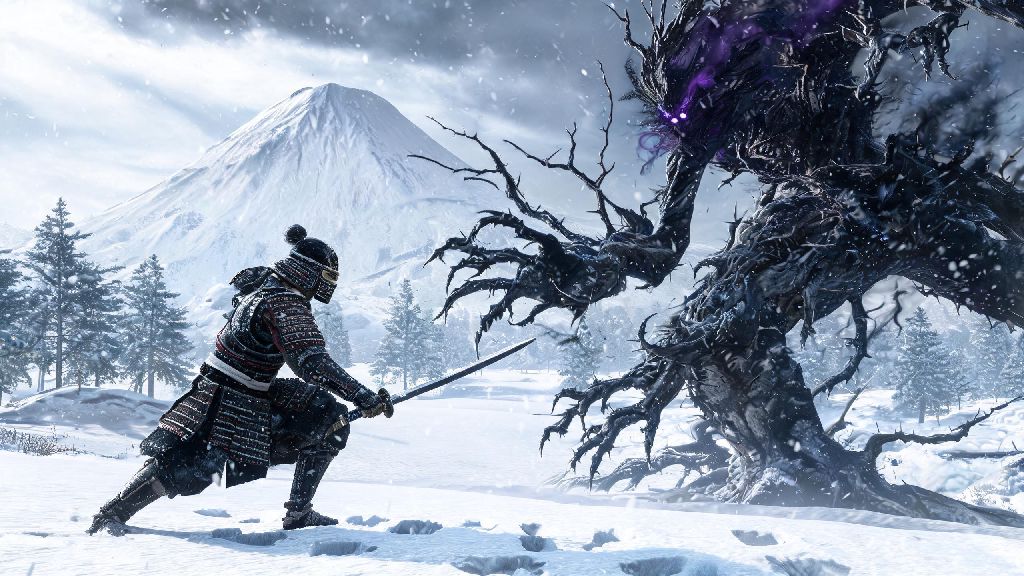
For anyone picking up the long-awaited samurai open world title for the first time, ghost of yotei difficulty is one of the first settings you’ll want to wrap your head around before you dive into 16th century Hokkaido. Unlike many modern action games that lock you into a fixed difficulty level for your entire playthrough, this title balances flexibility and challenge to cater to both casual players who want to enjoy the story and hardcore fans who crave punishing, skill-based combat. I’ve put 70+ hours into the game across three separate playthroughs, so I’ve tested every difficulty setting in every possible scenario, from stealth side missions to massive boss fights against corrupted mountain spirits. You don’t have to stick to the default settings to have a good time, and there’s no shame in tweaking things to match your exact skill level.
How Ghost of Yotei Difficulty Adapts to Your Playstyle
Unlike most games that simply raise enemy health and damage when you bump up difficulty, this system adjusts far more variables to fit how you choose to play. The base dynamic difficulty feature (which you can toggle off if you prefer) makes small, almost unnoticeable adjustments based on your recent performance. If you die three times in a row to the same group of enemies, their attack damage will drop by 10% and their parry timing will widen slightly until you get a win. If you take out 10 enemies in a row without taking damage, they’ll start blocking more often and flanking you to keep you on your toes.
Stealth players will notice less aggressive enemy patrol routes on lower difficulties, with longer gaps between guard rotations and wider blind spots to sneak through. Combat-focused players get faster enemy reaction times on higher settings, with opponents able to parry your light attacks and interrupt heavy swings if you don’t mix up your combos. Even exploration ties into difficulty: on higher settings, random ambushes by bandits and corrupted spirits are 30% more common, so you’ll never feel safe wandering the snowy mountain trails alone. That means you don’t have to stick to a single playstyle to get the right level of challenge, no matter what you’re doing in the world.
Breaking Down Each Pre-Set Difficulty Level
If you don’t want to mess with individual settings first, the four pre-set difficulty levels are well balanced for most player types. I’ve tested each one across full playthroughs, so here’s a breakdown of what to expect from each:
Tips to Adjust Difficulty to Match Your Skill Level
The best part of this system is that you don’t have to pick a single pre-set and stick with it for your entire playthrough. You can adjust difficulty at any time, even mid-fight, and you don’t lose any progress or rewards for switching settings. You can change individual difficulty parameters instead of switching full pre-sets if you only struggle with one part of the game. For example, if you’re great at parrying but hate stealth sections, you can keep combat on Hard but turn stealth detection down to Easy. If you have slow reaction times but want the high-stakes feel of hard-hitting enemies, you can set enemy damage to Lethal but widen parry windows to Normal.
Don’t be ashamed to lower the difficulty if you’re stuck on a boss that’s blocking you from progressing the story. I see so many players online bragging about beating the final boss on Lethal on their first run, but most of them put 20+ hours into practicing parry timings before they even reached that point. I got stuck on the Yotei Mountain Spirit boss for two hours on my first Hard run, and I ended up lowering parry difficulty by 10% to beat it. I still felt like I earned the win, and I didn’t have to give up and abandon the story because of one tough fight.
If you’re not sure where to start, pick Normal for your first playthrough, and adjust settings as you go. If you’re blowing through regular fights without taking any damage, bump the enemy damage up a notch. If you’re dying every other fight, widen the parry window or lower enemy damage slightly until you find a sweet spot. There’s no “right” way to play, and the devs built this flexible system specifically so everyone can enjoy the game, no matter their skill level.
Common Misconceptions About Ghost of Yotei Difficulty
There’s a lot of bad advice floating around online about how the difficulty system works, so I want to clear up some of the most common myths I’ve seen. The first big myth is that Lethal difficulty is only for players who 100% completed Ghost of Tsushima. That’s not true at all – if you take the first two hours of the game to practice parry timings and dodge mechanics, you can handle Lethal even if you’ve never played a Sucker Punch game before. It just takes a bit of patience, and you don’t need prior experience to enjoy it.
Another big myth is that lower difficulty ruins the immersion of playing a skilled samurai. I disagree entirely. If you’re dying 20 times to a random group of low-level bandits, that pulls you out of the story way more than lower difficulty where you can move through the world like the experienced warrior you’re supposed to be. The story is one of the strongest parts of the game, and you shouldn’t lock yourself out of it just because you don’t have time to practice combat for 10 hours a week.
The difficulty system is designed to be personalized, not a measure of your skill as a gamer. You don’t get any special bragging rights for beating the game on Lethal, and you’re not a “bad player” for playing on Easy. The only thing that matters is that you’re having fun. I still switch to Easy sometimes when I just want to wander the world, collect all the fox shrines, and enjoy the beautiful snowy landscapes without worrying about getting ambushed every five minutes.
At the end of the day, ghost of yotei difficulty is built to make your time in Hokkaido as fun as possible, not to gatekeep content or make you feel bad about your skill level. Whether you’re playing on Easy to take in the snowy mountain landscapes and emotional story, or grinding Lethal difficulty for that perfect no-hit boss fight run, the flexibility of the system means there’s no wrong way to play. Don’t let other people’s opinions on what difficulty you “should” play on ruin your experience – adjust it as you go, and enjoy every minute of this incredible samurai adventure. If you’re still unsure where to start, just boot up the game on Normal, and tweak settings after the first few missions to find what works for you.