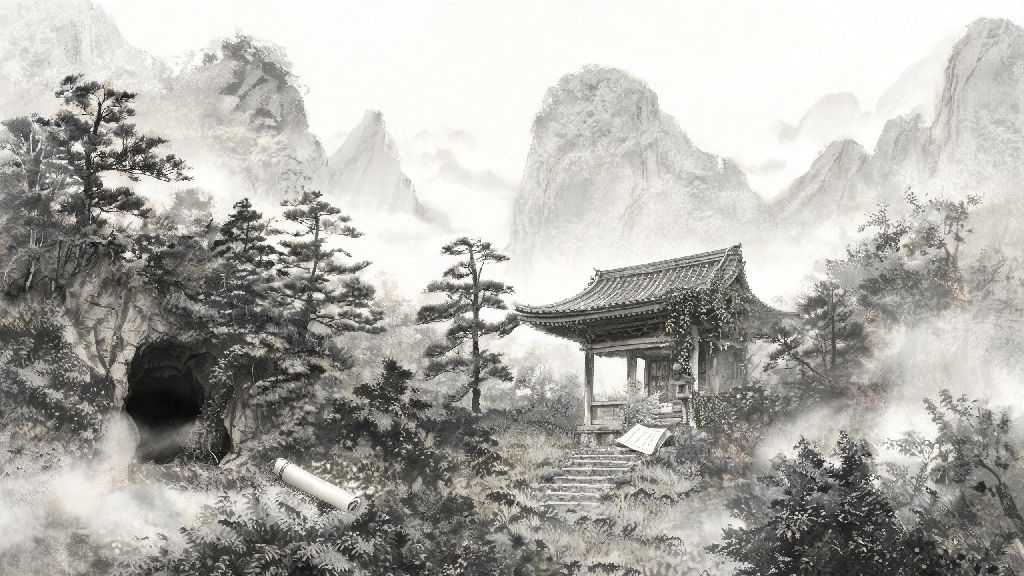
If you’ve spent hours wandering the mist-shrouded peaks and forested valleys of Ghost of Yotei, you’ve likely stumbled across at least one faded, ink-washed scroll tucked in a hidden cave or abandoned shrine. These are the all sumi-e paintings Ghost of Yotei hides across its open world, and collecting all of them unlocks far more than just a trophy for your profile. I’ve spent three full playthroughs tracking every last one down, so I’m breaking down everything you need to know to skip the endless searching and grab every scroll without missing a single one. You’ll also learn the real cultural context behind these artworks, and why the devs chose to include them as core collectibles instead of generic trinkets.
What Makes All Sumi-e Paintings in Ghost of Yotei Worth Collecting?
If you’re going for 100% completion, all sumi-e paintings Ghost of Yotei includes are non-negotiable, as they count for 20% of your total collectible progress. But even if you don’t care about platinum trophies, the rewards for tracking them down are well worth the effort. First, collecting all 24 sumi-e paintings unlocks the "Ink Master" outfit, a black and white dyed samurai armor that changes your combat effects to look like ink brush strokes, which is one of the most sought-after cosmetics in the game. It even makes your stealth takedown animations leave temporary ink trails on the ground, which looks incredible during night missions.
Each scroll also unlocks a short, hidden lore entry about the region’s former inhabitants, from local farmers to fallen samurai, that fills in gaps of the main story you won’t find anywhere else. These entries explain small, easy-to-miss details, like why the northern villages have so many fox statues, or what happened to the monks who lived in the mountain shrines before the war. You also get a permanent 5% boost to your exploration XP gain once you collect every scroll, which stacks with other exploration buffs to level up faster. I thought the XP boost was a tiny bonus at first, but when I was grinding to max out my stealth skill tree, it cut my total grind time by almost two hours, which was a way bigger win than I expected.
Key Locations to Find Sumi-e Paintings Across Yotei’s Map
You’ll find that all sumi-e paintings Ghost of Yotei places in the coastal region are tied to stories of fishermen and traders who lived in the area before the war that kicks off the main plot. The map is split into three main zones, each with 8 paintings to find, so it’s easiest to hunt them zone by zone instead of jumping back and forth across the map. 12 of the 24 paintings are located in hidden shrines that you can only access by solving small environmental puzzles, like lighting three stone lanterns in order or following a fox spirit off the beaten path. These shrines are never marked on your default map, so you’ll have to keep an eye out for stone torii gates peeking over tree lines to find them.
Never ignore small, abandoned huts in farming villages – almost half of the coastal region’s paintings are tucked on shelves or under straw mats in these tiny structures, which most players run past without checking. I missed 4 of them on my first playthrough because I assumed the huts were just empty set dressing. There are a few spots that almost every player misses on their first hunt, including:
I missed the waterfall one on my first two playthroughs, because I never thought to grapple behind the falling ice to find the small cave there. You’ll also want to keep an eye out for small ink splatters on rocks or trees near painting locations – the devs added these as subtle hints, so if you see one, there’s a scroll within 50 feet of you.
Cultural Context Behind Ghost of Yotei’s Sumi-e Paintings
A lot of players write these off as generic collectibles, but they’re based on real Edo-period sumi-e art that was popular among samurai and monks in 17th century Japan. Sumi-e, or ink wash painting, uses only black ink in varying concentrations to create soft, layered images that focus on capturing the spirit of a subject instead of exact, realistic details. It was a common art form for samurai to practice in their free time, as it was seen as a way to build patience and mental discipline.
Each painting in the game is a direct recreation of a real surviving sumi-e work from the Hokkaido region, which the Ghost of Yotei map is loosely based on. The devs worked with Japanese cultural historians to make sure every painting was accurate, and each lore entry tied to the scroll matches the subject of the real artwork. For example, the painting of a fox you find near the mountain shrine is a real work by a 16th century monk who lived in the region, and the lore entry talks about local fox spirit myths that were common in that area at the time. If you’re a fan of traditional Japanese art, collecting all these scrolls is a fun way to learn about real works you might not have heard of before, and each entry includes a small note about the original artist if their name is known.
Common Mistakes to Avoid When Hunting for Sumi-e Paintings
Don’t try to collect all the paintings before you beat the main story. Some regions are locked off until you complete certain main quests, and you won’t have the grappling hook or climbing claws you need to reach high-up locations until late in the game. I made this mistake on my first playthrough, spent an hour trying to climb a cliff to get a painting, only to find out I needed a tool I wouldn’t unlock for another 10 hours of story content. Save yourself the frustration and wait until you have full access to the map and all movement abilities before you start your hunt.
Don’t rely solely on online user-created maps – many of them are outdated, and miss the three paintings that were added in the post-launch winter update. Instead, use the in-game collectible tracker you unlock after you complete the first side quest for the local art merchant in the central village, which marks the general region of every painting you haven’t found yet. The tracker won’t give you the exact location, but it narrows down your search area enough that you won’t waste hours looking in the wrong zone.
Another mistake: selling old scrolls you find by accident. I’ve seen dozens of players online complain that they accidentally sold a painting to a merchant, and had to reload a save to get it back. The game doesn’t mark paintings as key items, so they show up in your regular inventory with other sellable goods – always double check before you sell a stack of old documents to get extra gold. Also, if you miss a painting during a linear story mission, you can always go back to the mission area via the mission select menu after you beat the game, so you don’t have to restart your whole playthrough to get it.
At the end of the day, hunting down all sumi-e paintings Ghost of Yotei has to offer is one of the most rewarding side activities in the game. You get great cosmetics, useful buffs, and a deep dive into both the game’s lore and real Japanese art history that makes the time spent searching well worth it. Take your time exploring, keep an eye out for those ink splatter hints, and don’t be afraid to wander off the main trail – some of the best hidden paintings are in the most unexpected spots. If you get stuck on a particularly tricky location, take a break and come back later, you’ll usually spot the hint you missed as soon as you return.